How Candle Warmer Lamps Work
Last updated: Thu Oct 01 2026 00:00:00 GMT+0000 (Coordinated Universal Time)
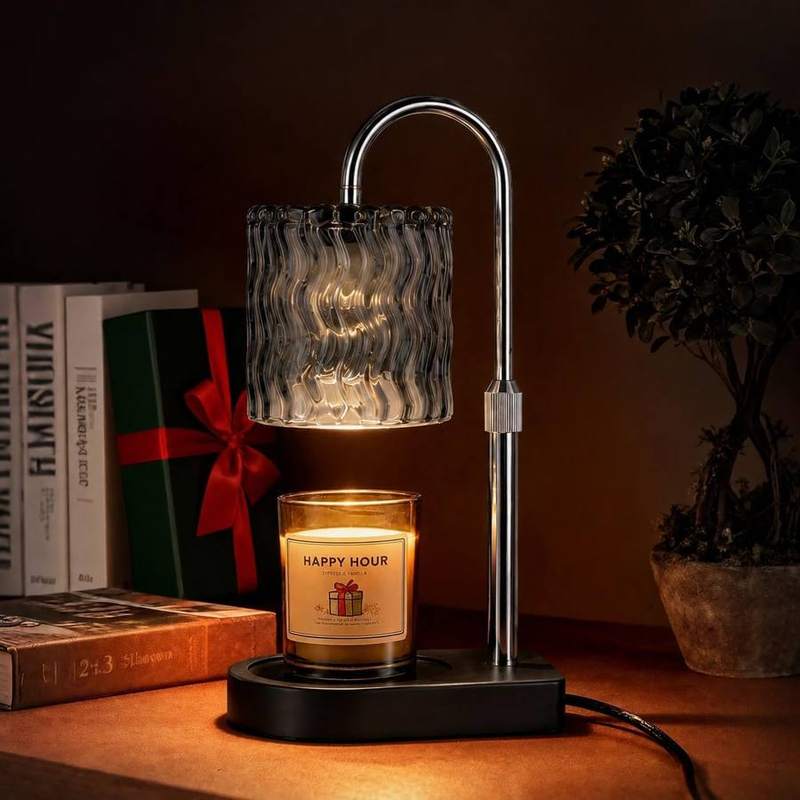
A candle warmer lamp is a lamp designed to sit over a jar candle and melt the wax using heat from above. No flame, no wick, no burning. Here is how it works.
The basic mechanism
Inside the lamp's shade is a halogen bulb — usually a GU10 type rated at 25 W or 40 W. When the lamp is switched on, the bulb heats up and radiates warmth downward onto the candle's surface.
The wax softens and melts across the top of the candle, releasing the fragrance oils trapped in the wax. The fragrance evaporates into the air in the room and you get the same scent as burning the candle — without the flame.
Why this is better for fragrance throw
When you burn a candle with a flame, the heat comes from below. The wick burns through the wax layer by layer, and fragrance is released in the column of air directly above the flame.
A warmer lamp heats the wax from above, which creates a wider, flatter melt pool across the candle's full surface. More wax melts at once, which means more fragrance is released into the room at any given time.
The result is better room coverage — fragrance spreads outward rather than rising in a single column.
Why candles last longer in a warmer lamp
When a candle burns, the flame consumes the wax as fuel. You are literally burning the candle away. Most of what you paid for goes up in combustion.
In a warmer lamp, no wax is consumed. The top layer melts, releases fragrance, and then re-solidifies when the lamp is switched off. The same wax can be warmed again and again, with only the fragrance compounds being gradually depleted.
A candle that gives 45 burning hours with a flame can often give 100 hours or more of warming use.
How the heat is controlled
The bulb wattage determines how much heat is produced. A 25 W bulb works well for most standard jar candles and most room temperatures. A 40 W bulb is needed for harder waxes (such as beeswax) or very cold rooms.
Some warmer lamps include a timer switch, which cuts the power after a set period — typically 2, 4 or 6 hours. This prevents the candle from being over-warmed, which depletes the top wax layer faster than necessary.
Is it safe?
Candle warmer lamps are significantly safer than burning candles. There is no open flame, so there is no fire risk if you leave the room. Pets and children cannot knock over a burning candle and cause a fire.
The lamp does get warm to the touch, particularly around the bulb housing and upper shade, so it should still be placed out of reach of very young children. But the risk profile is fundamentally different from an open flame.
What candles work with a warmer lamp?
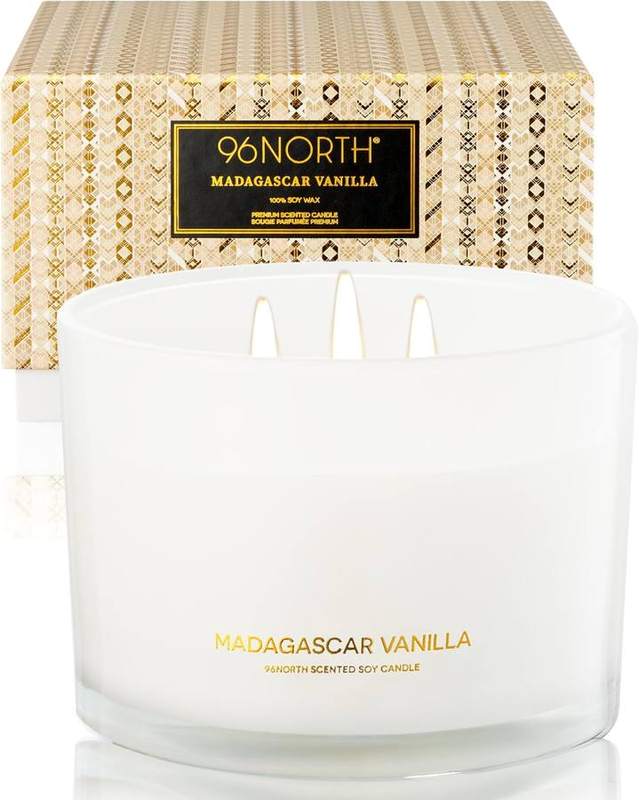
Any standard jar candle works — soy wax, paraffin, beeswax or blends. The candle should have a wide, flat top (at least 6 cm diameter) and fit under the lamp's shade with a 2–3 cm gap between the shade rim and the candle's top.
Pillar candles, tapers and tea lights are not designed for warmer lamps and should not be used in them.
The one thing a warmer lamp cannot replicate
A candle warmer lamp cannot replicate the visual atmosphere of a burning flame. If you want moving light, a flame and the specific ambience of a burning candle — for a dinner table or bath, for example — burning remains the right choice for those moments.
For everyday fragrance use, the warmer lamp is better in almost every other way.
Browse all candle warmer lamps at decorheaven.co.uk or read our guide on where to place a candle warmer lamp in your home.